
Services
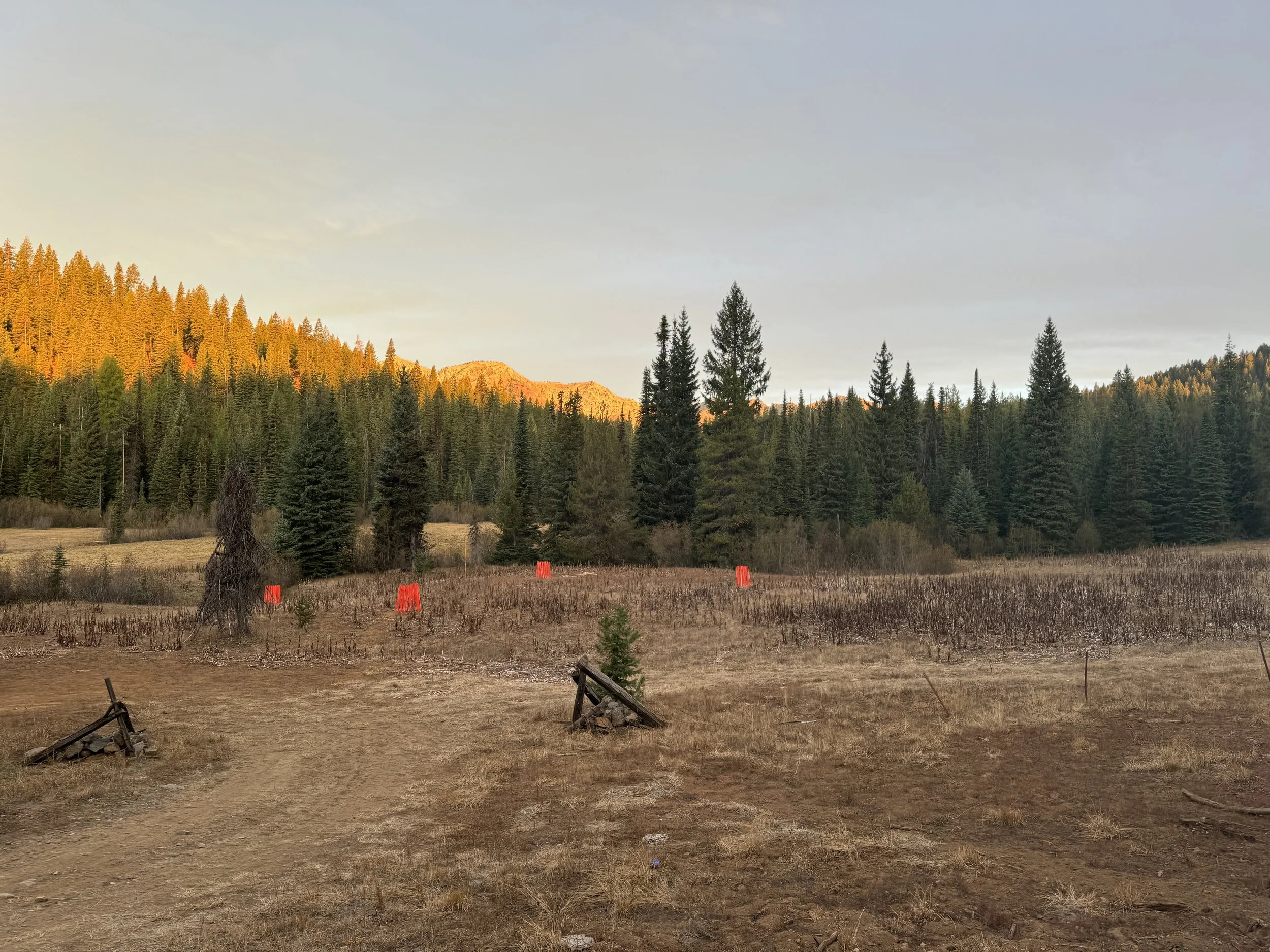
SCAR offers a comprehensive range of professional archaeological and cultural resource management (CRM) services to support projects throughout eastern and central Oregon, eastern and central Washington, and the broader Pacific Northwest. Our experience includes projects completed under Sections 106 and 110 of the National Historic Preservation Act (NHPA), the National Environmental Policy Act (NEPA), the State Environmental Policy Act (SEPA), Washington Executive Order 21-02, the Washington Administrative Code (WAC), applicable Oregon Revised Statutes (ORS), Tribal cultural resource regulations, and other applicable federal, state, and local requirements.
-
Cultural Resources Inventory
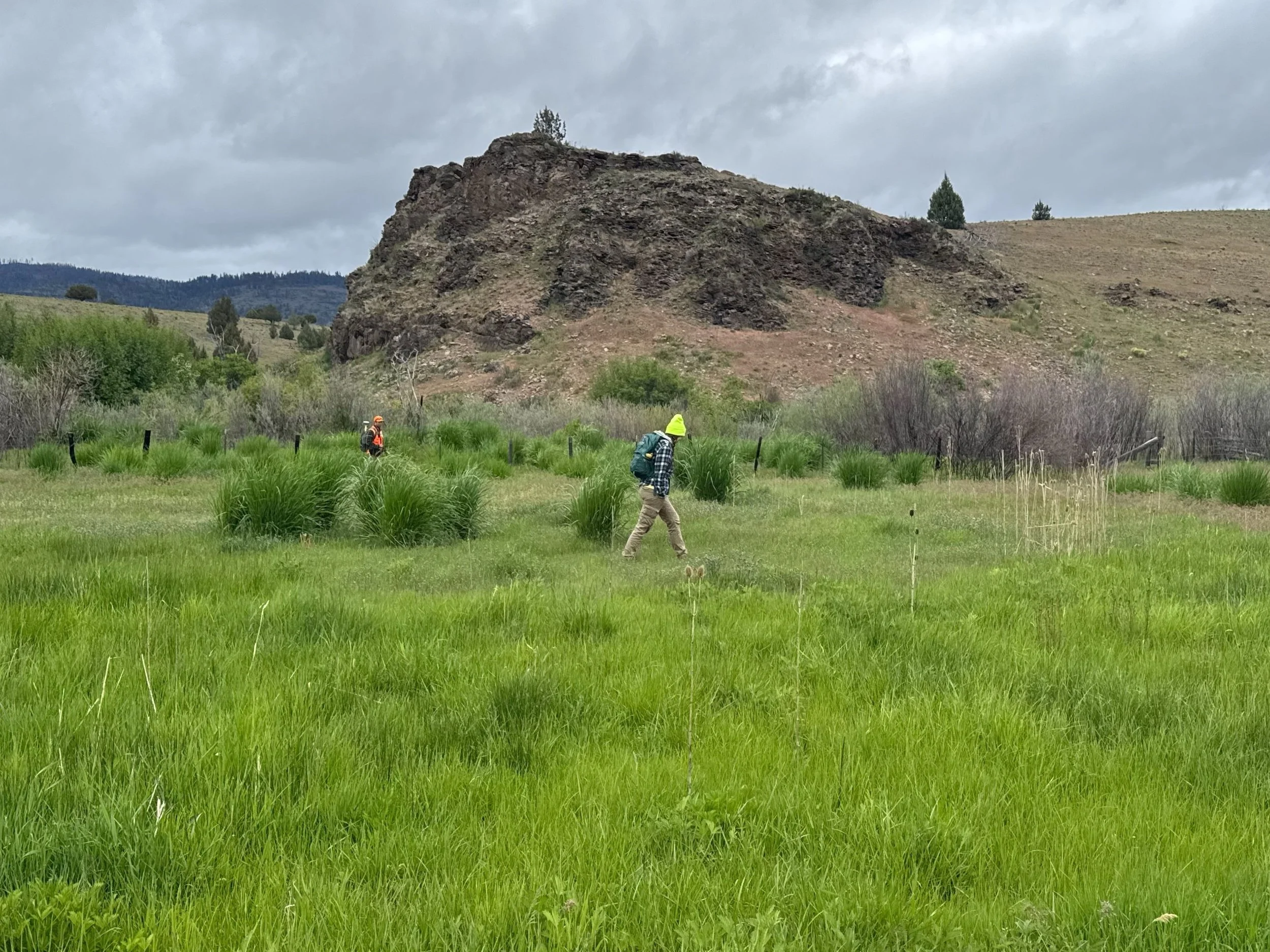
We conduct cultural resources inventories for federal, state, Tribal, local government, nonprofit, and private-sector projects. Inventories are designed to identify cultural resources, support project planning, and meet applicable regulatory requirements. Our inventories are supported by records searches, literature reviews, Tribal coordination, permitting, field investigations, and resource documentation. Our familiarity with the archaeological record of the Columbia Plateau, Great Basin, and Intermountain West allows us to efficiently document cultural resources across a wide range of landscapes and to provide clients with clear information and practical project recommendations.
-
Monitoring
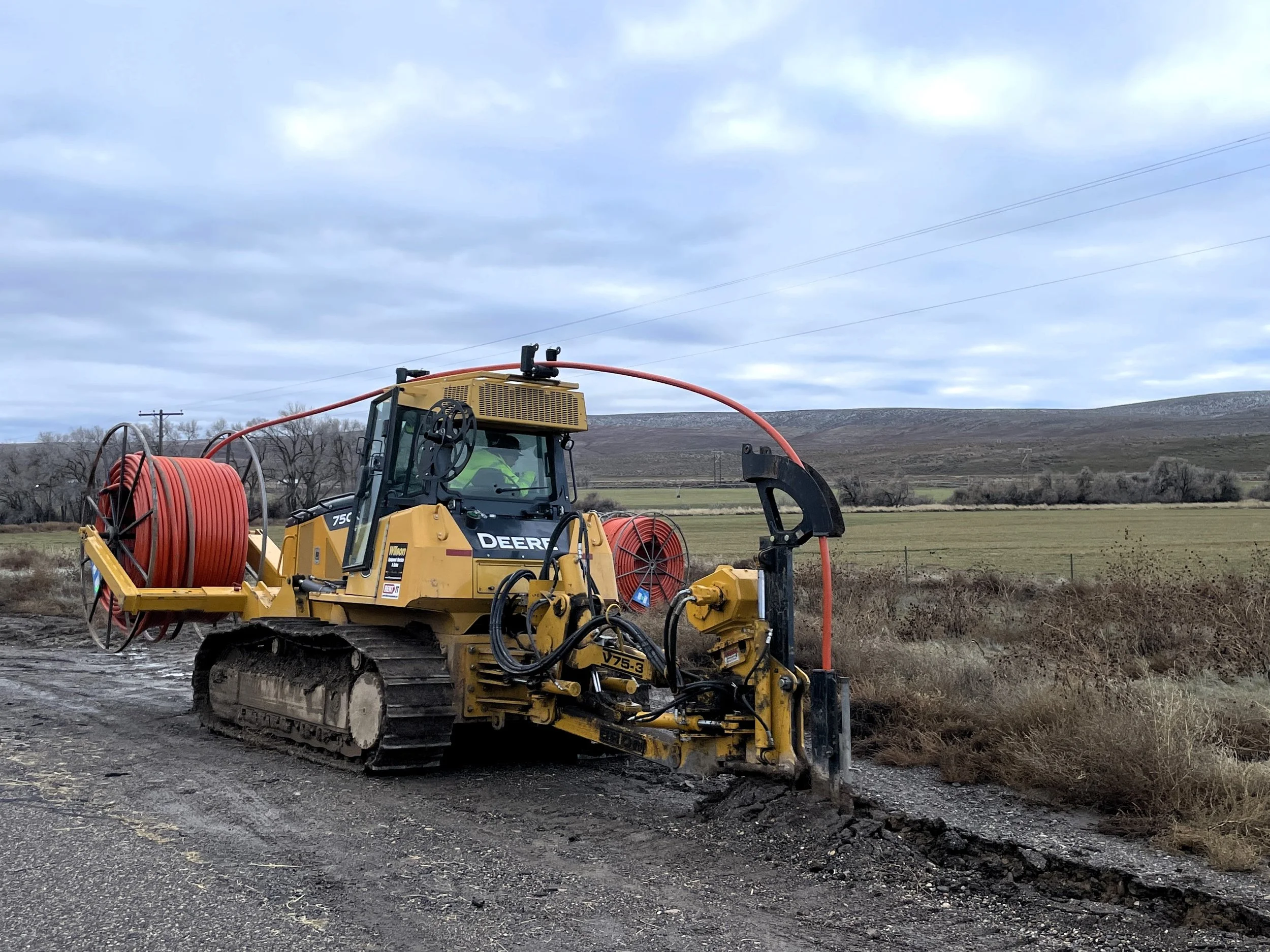
We provide cultural resource monitoring during construction, habitat restoration and enhancement projects, infrastructure improvements, and other activities that may affect cultural resources. Monitoring ensures compliance and reduces the risk of unexpected project delays from inadvertent discoveries. Our staff works closely with clients, Tribes, contractors, and regulatory agencies to document findings, implement Inadvertent Discovery Plans (IDPs), and provide clear recommendations that support successful project completion.
-

GIS and Cartography
We integrate GIS, cartography, and spatial analysis throughout our work to support cultural resource documentation, project planning, and resource management. We develop project-specific maps, manage geospatial datasets, conduct predictive modeling and spatial analyses, and support field investigations using high-accuracy GNSS technology. These tools allow our team to efficiently collect, manage, analyze, and present spatial data throughout all phases of a project.
-
NRHP Evaluations and Testing
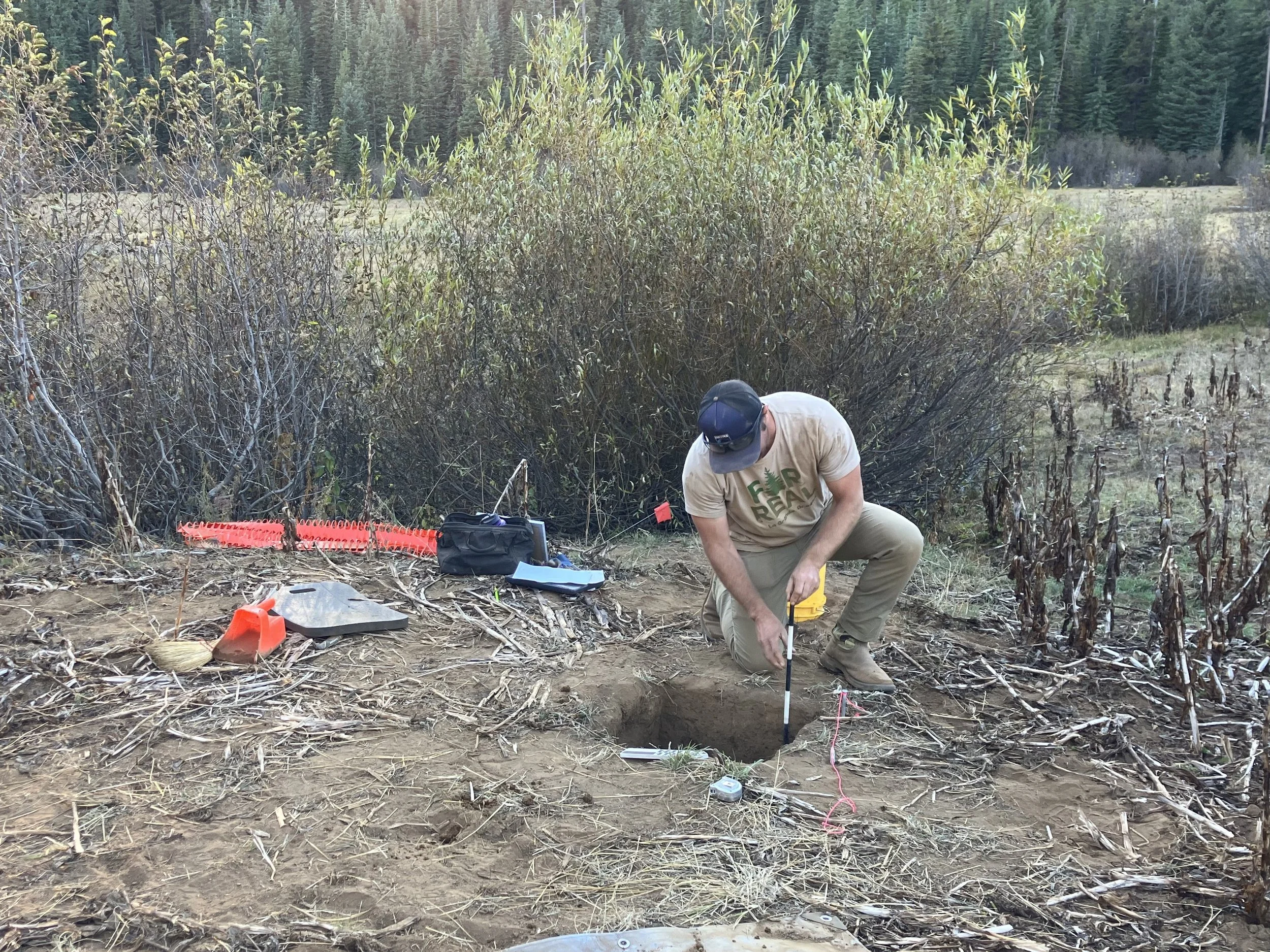
SCAR conducts in-depth background research, develops project-specific research designs, and performs archaeological testing, investigations, and analyses to evaluate the significance and integrity of cultural resources for eligibility in the National Register of Historic Places (NRHP). Our evaluations apply the National Register criteria and are designed to address project-specific needs while generating information that contributes to a broader understanding of the past.
-
Effects Mitigation
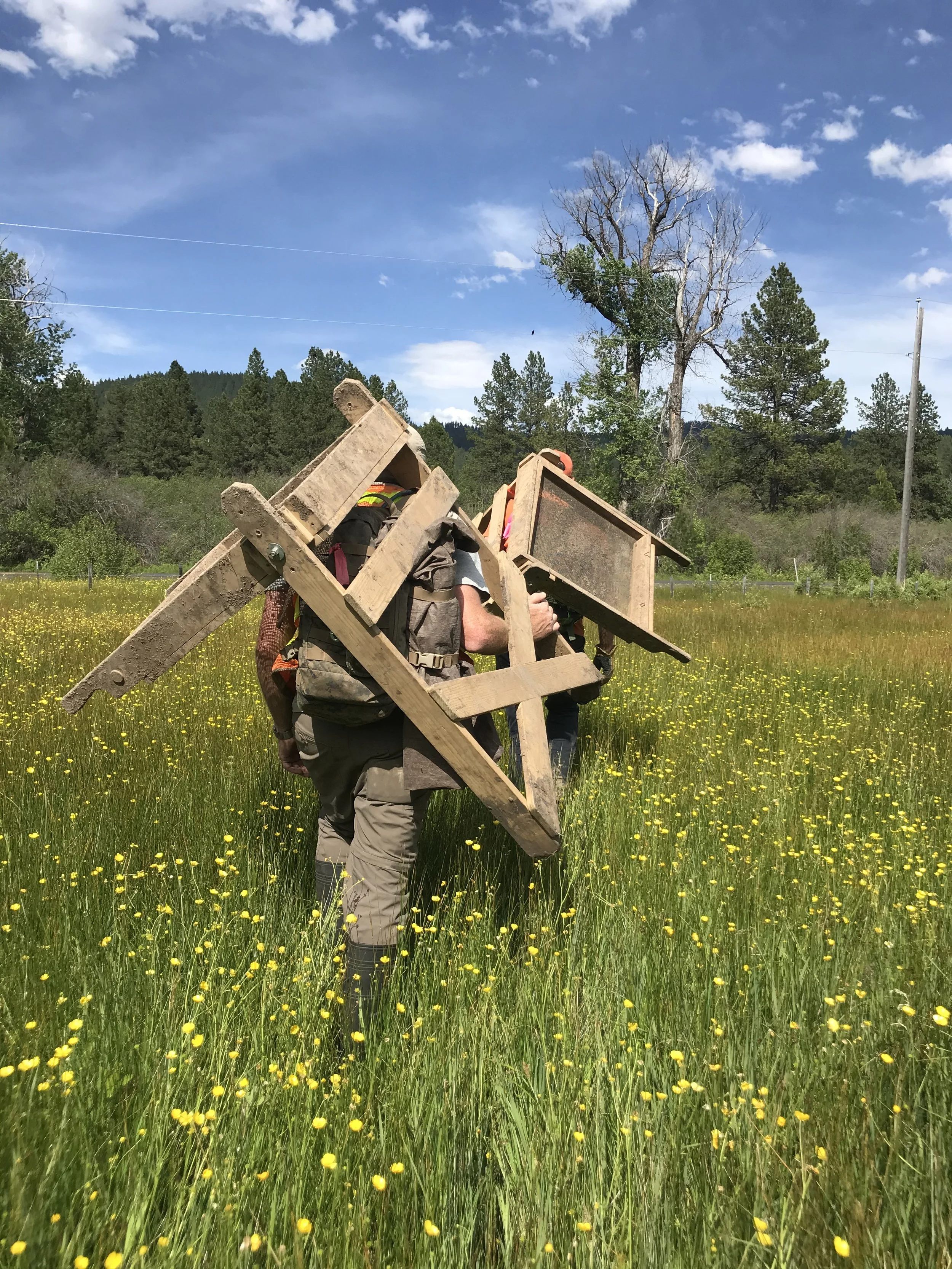
If adverse effects to significant cultural resources cannot be avoided due to project design or other constraints, some form of mitigation must be implemented. The appropriate type of mitigation is ultimately decided by consulting parties, including the regional Tribes, State Historic Preservation Offices (SHPO), federal agencies, state agencies, historical societies, and other entities. Our staff has experience carrying out a variety of mitigation efforts.
-
Visual Impact Assessment
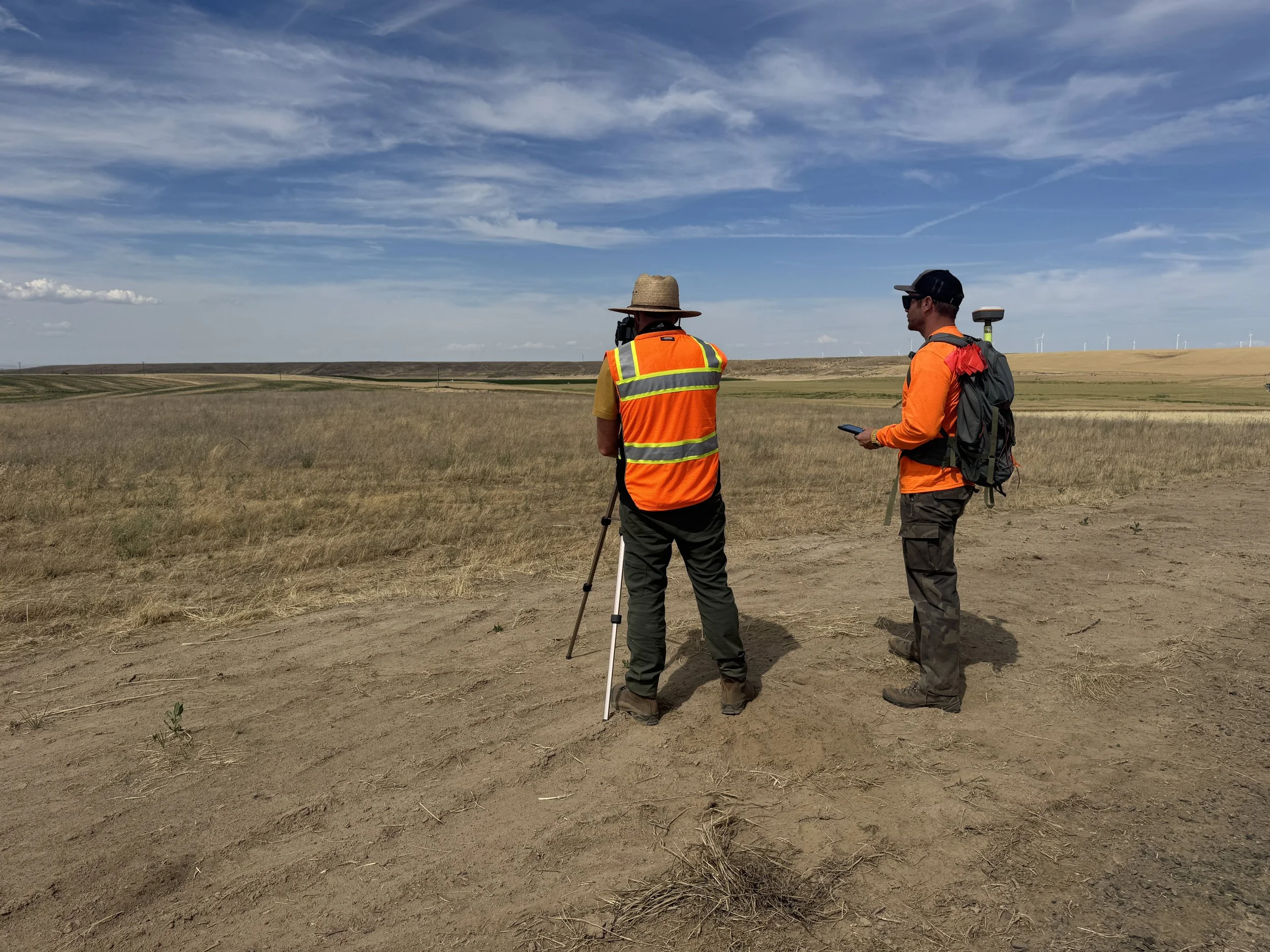
We conduct visual impact assessments to evaluate potential effects on historic properties, cultural landscapes, Traditional Cultural Properties (TCPs), and Historic Properties of Religious and Cultural Significance to Indian Tribes (HPRCSITs). Using GIS-based viewshed analysis, topographic modeling, field observations, and Key Observation Point photography, we identify areas of visibility and assess potential visual effects. These assessments support Section 106 of the National Historic Preservation Act (NHPA), the National Environmental Policy Act (NEPA), and other cultural resource compliance requirements while providing practical information to guide project planning and impact avoidance.