
Selected Projects
The projects highlighted below represent a selection of SCAR's work throughout the Pacific Northwest and Intermountain West. They demonstrate our experience completing archaeological inventories, documenting and evaluating cultural resources, and helping clients navigate cultural resource regulations through practical, project-specific management recommendations.
Minam River Wildlife Area Phase 2 and 3 Acquisition
Union and Wallowa Counties, Oregon
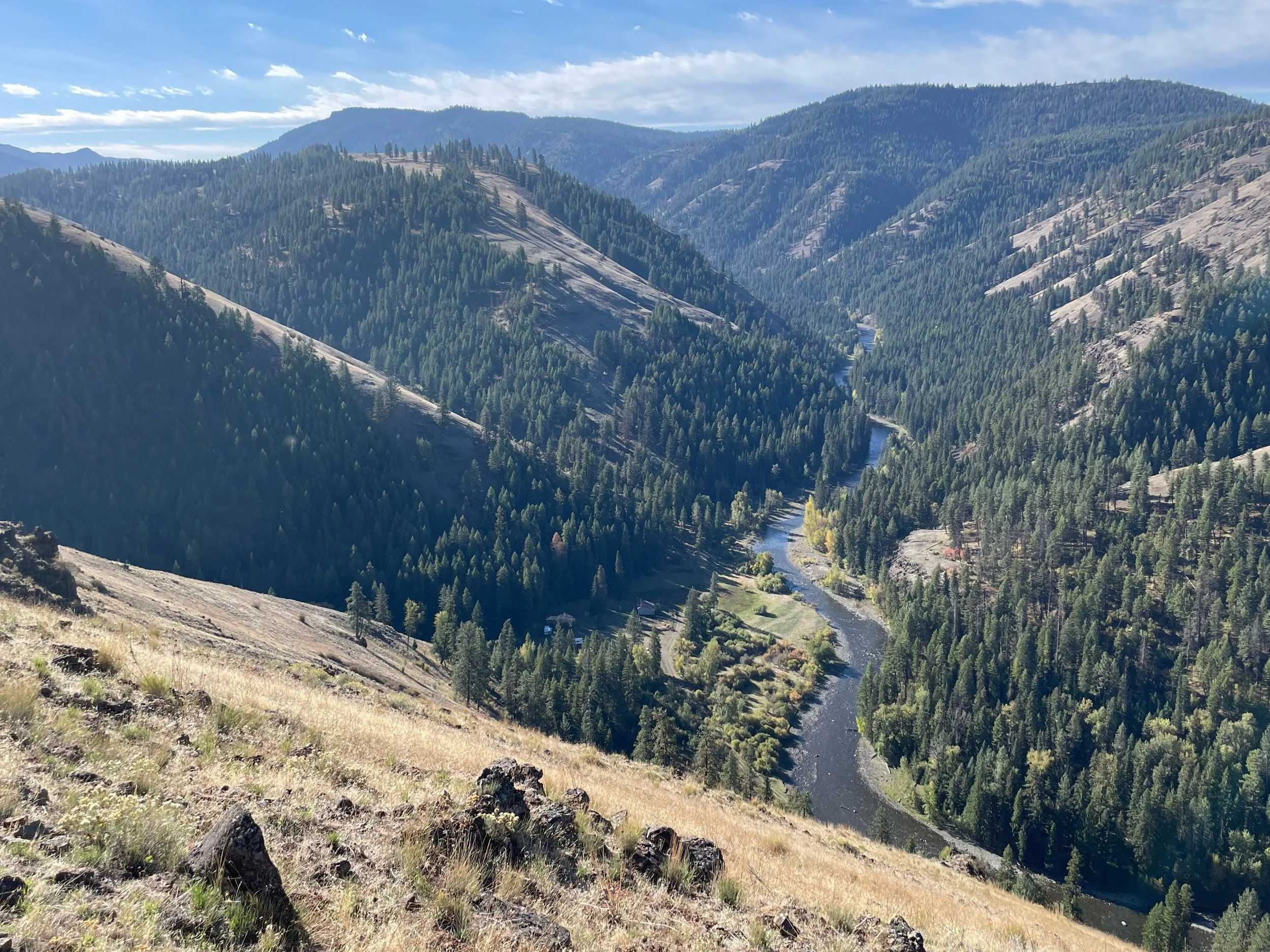
SCAR completed a baseline archaeological survey of the 11,964-acre Phase 2 and 3 acquisitions within the Minam River Wildlife Area in Union and Wallowa Counties, Oregon. The project supports long-term wildlife habitat management and restoration across a landscape linking the Eagle Cap Wilderness, Minam State Recreation Area, and surrounding public lands. Field investigations included pedestrian survey and documentation of archaeological and built-environment resources to support future land management and cultural resource stewardship.
Field investigations documented a diverse archaeological record reflecting thousands of years of human use of the Minam River landscape. Previously unrecorded resources included precontact lithic scatters, raw material procurement areas, stacked rock features, historic-era homesteads, refuse deposits, and a historic district containing hundreds of culturally modified trees. The newly recorded resources document long-term Indigenous use of upland and riverine environments, as well as later homesteading, ranching, agricultural pursuits, logging, illicit alcohol production, and other activities that shaped the region's cultural landscape.
The results established a baseline archaeological record for one of northeastern Oregon's most important wildlife areas and provide critical information for future habitat restoration, land management, and cultural resource planning.
LT Murray WLA Whiskey Dick Unit BIL Sage Restoration Project
Kittitas County, Washington
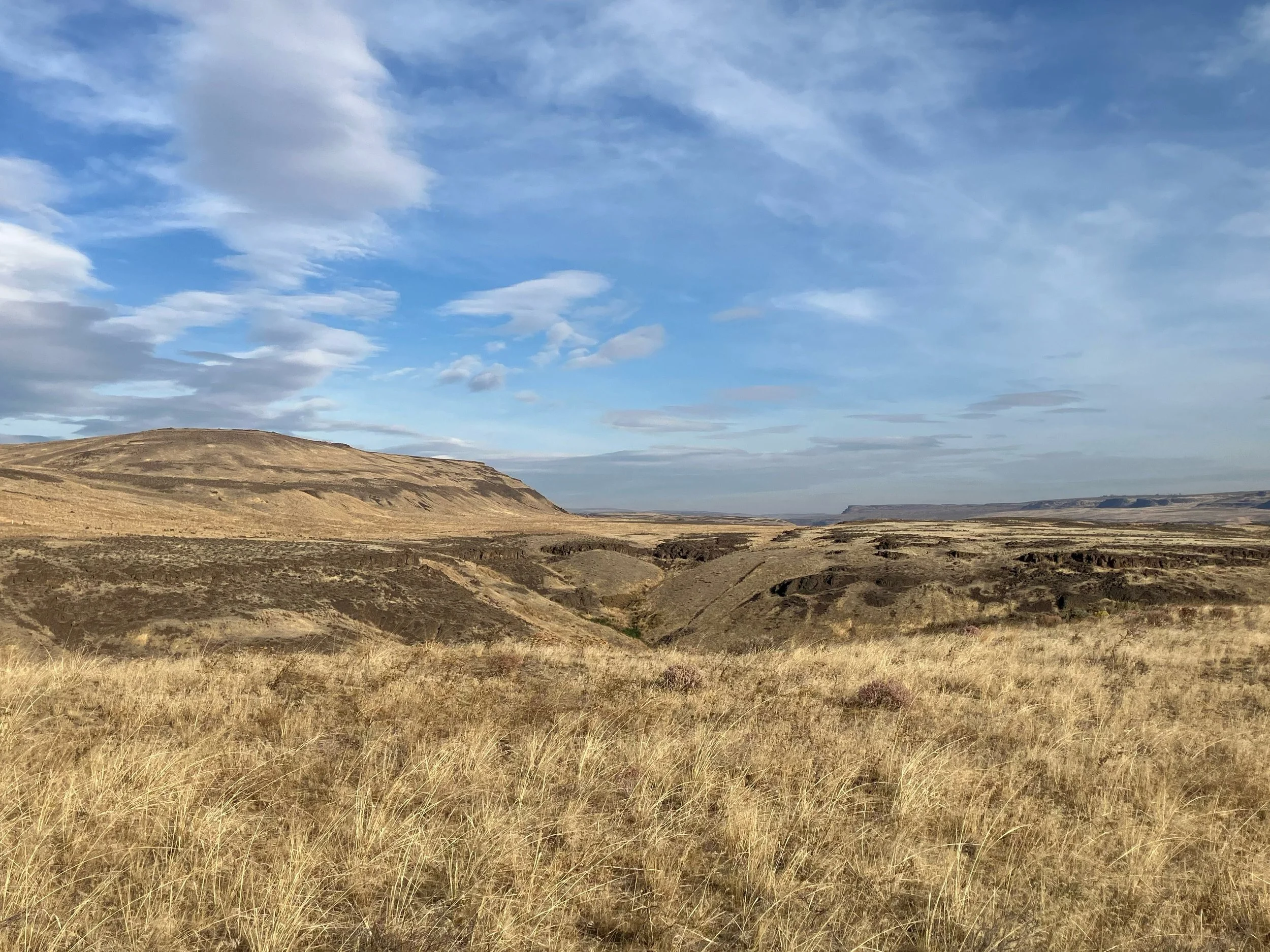
A cultural resources inventory was completed for the Whiskey Dick Unit of the LT Murray Wildlife Area in support of post-fire sagebrush restoration funded through the U.S. Fish and Wildlife Service Bipartisan Infrastructure Law program. The work supported restoration planning following the 2022 Vantage Fire and fulfilled Section 106 requirements.
Field investigations documented numerous archaeological resources associated with long-term Indigenous use of the Columbia Plateau landscape. Lithic scatters and raw material procurement areas dominated the archaeological record, highlighting the importance of local chert and petrified wood sources and reinforcing broader patterns of mobility and land use across the Middle Columbia region. Evidence of twentieth-century ranching and recreational land use further illustrates the long and varied history of human use across the Whiskey Dick landscape.
The results informed restoration planning by identifying sensitive cultural resources and developing avoidance measures that allowed habitat restoration to proceed while protecting archaeological resources and maintaining compliance with Section 106.
Love Reservoir Mesic Restoration for Ritter Creek
Baker County, Oregon
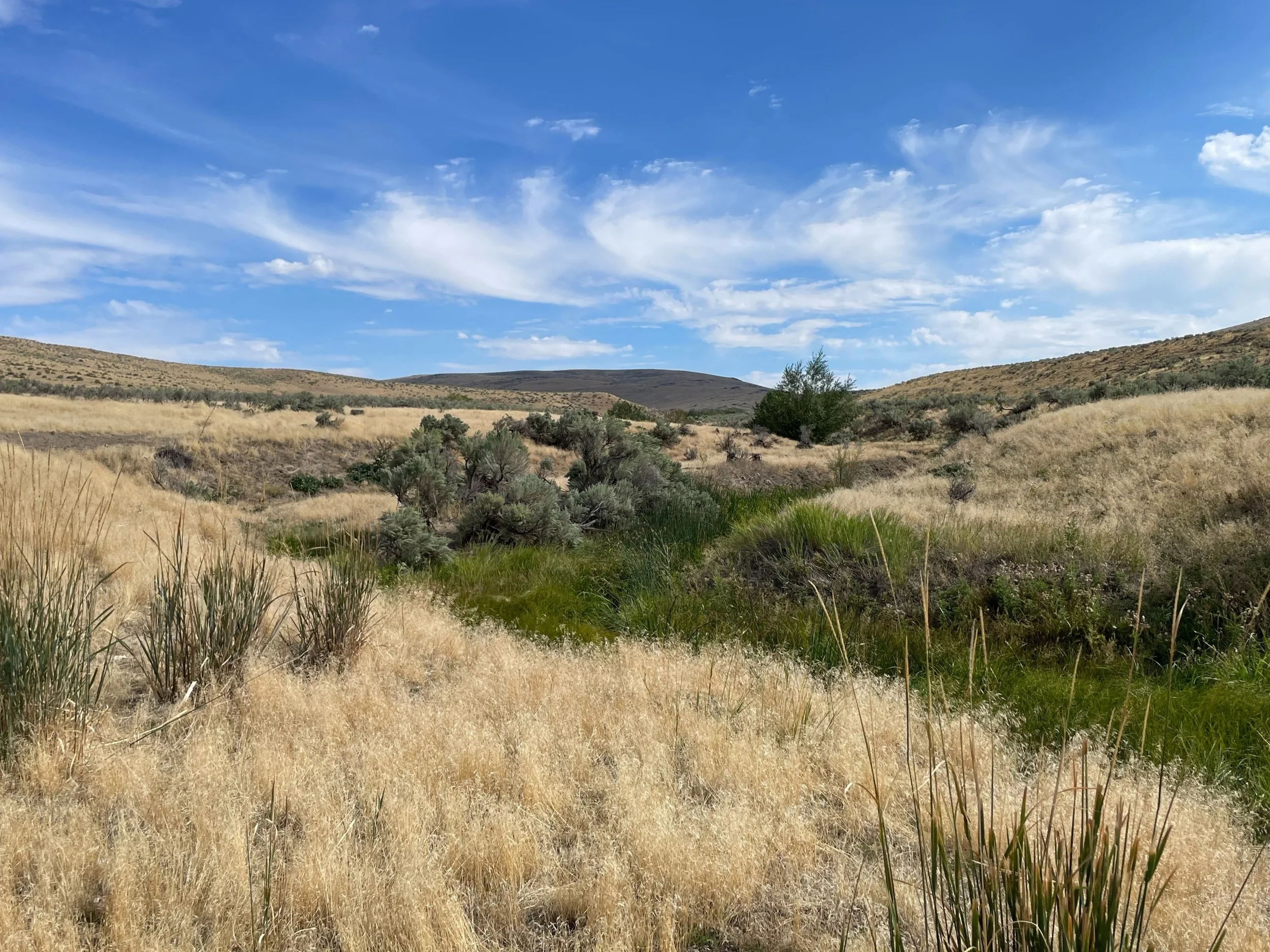
SCAR completed an archaeological inventory in support of mesic habitat restoration along Ritter Creek in Baker County, Oregon. The proposed restoration is intended to improve floodplain function and riparian habitat through treatments designed to retain water and restore wet meadow conditions. Archaeological investigations included pedestrian survey and subsurface testing to support project planning and compliance with Section 106 of the National Historic Preservation Act.
Field investigations documented numerous previously unrecorded archaeological resources associated with both Indigenous and historic-era use of the Ritter Creek drainage. Precontact resources consisted primarily of lithic scatters containing obsidian and fine-grained volcanic materials, while several sites also contained historic-era materials associated with ranching and settlement. The distribution of these resources across the creek valley and adjacent terraces reflects repeated use of the Ritter Creek landscape and provides additional information about regional land-use patterns.
The results informed project planning and led to avoidance recommendations that allowed habitat restoration activities to proceed while protecting archaeological resources.
Murderers Creek Phase II Instream Restoration Project
Grant County, Oregon
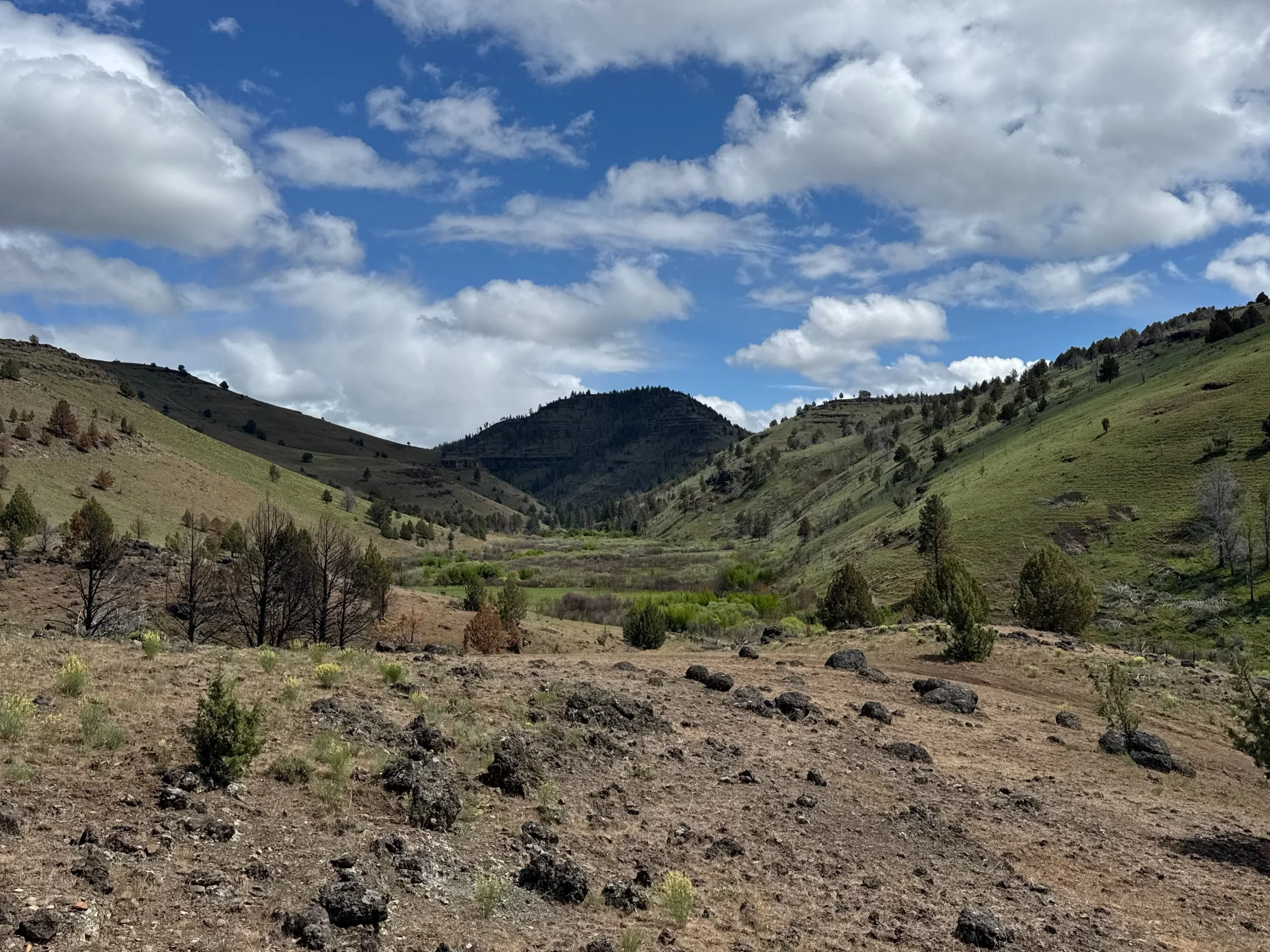
An archaeological resources inventory was completed in support of the Murderers Creek Phase 2 Instream Restoration Project, a watershed restoration effort designed to improve habitat for ESA-listed steelhead and other native wildlife through stream restoration, juniper removal, and associated access improvements.
Field investigations documented nine previously unrecorded precontact archaeological sites, updated the record for a previously recorded site, and identified a historic bridge feature. The newly documented resources consisted primarily of lithic scatters and camps associated with long-term Indigenous use of the Murderers Creek drainage, including evidence for buried cultural deposits and possible pithouse occupations.
The results informed project design through avoidance recommendations, protective buffers, and archaeological monitoring where restoration activities occurred near resource boundaries. These measures allowed habitat restoration planning to proceed while protecting significant cultural resources and supporting compliance with Section 106 and Oregon cultural resource regulations.
Pilcher Timber Thinning Access Project
Elkhorn Wildlife Area, Union County, Oregon
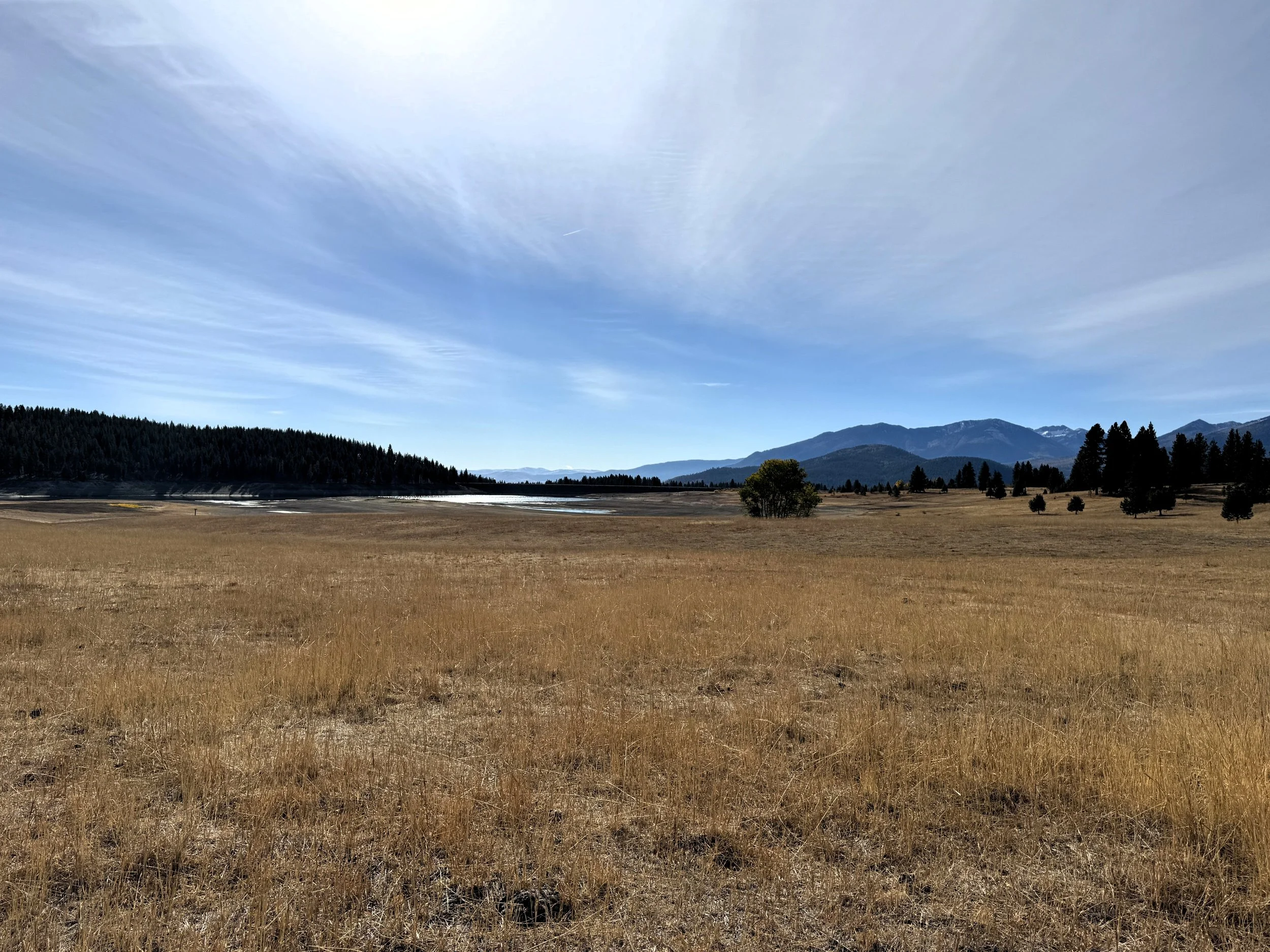
To support access improvements associated with timber thinning activities, SCAR completed an archaeological inventory within the Elkhorn Wildlife Area in Union County, Oregon. Pedestrian survey and subsurface investigations were conducted along existing roads to facilitate forest management activities while protecting cultural resources.
Field investigations documented previously unrecorded archaeological resources and refined the boundaries of the Pilcher Creek site, one of northeastern Oregon's most significant archaeological sites, which may preserve some of the earliest evidence of human occupation in the region. Materials associated with the Western Stemmed Tradition make the site particularly important to ongoing research concerning the first peopling of North America.
The results provided critical information for project planning and supported the development of avoidance measures that allowed forest management activities to proceed while protecting significant archaeological resources.
Upper Camp Creek Habitat Restoration Project
Zumwalt Prairie Preserve, Wallowa County, Oregon
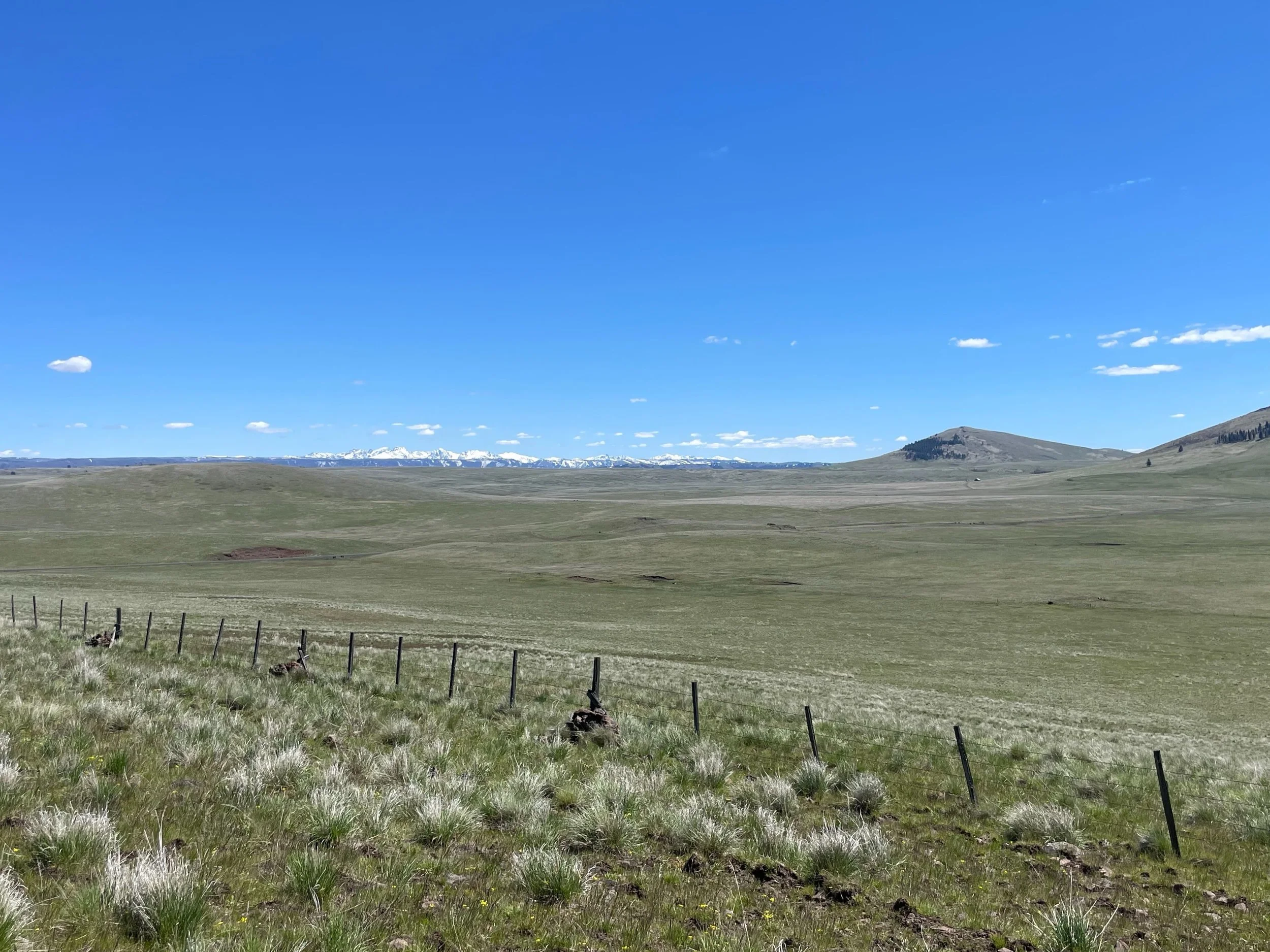
SCAR completed a cultural resources inventory in support of a large-scale effort to restore nearly five miles of Upper Camp Creek and its floodplain within the Zumwalt Prairie Preserve, one of North America's largest remaining bunchgrass prairie ecosystems. The investigation encompassed approximately 196 acres associated with channel restoration, large wood placement, staging areas, access routes, and timber harvest zones, supporting compliance with Section 106 while facilitating long-term watershed restoration.
Field investigations resulted in the update and expansion of several previously recorded archaeological sites and the documentation of additional precontact resources. Artifacts and buried deposits associated with long-term Indigenous use of the Upper Camp Creek drainage demonstrate the importance of this landscape within broader patterns of mobility and land use across the Columbia Plateau. Geochemical analysis of volcanic ash recovered from a cut bank identified reworked Mazama tephra dating to approximately 7,600 cal BP above and below associated lithic materials, providing an important chronostratigraphic marker and highlighting the potential for preserving deeply buried archaeological deposits. Several sites retained significant research potential and were recommended eligible for the National Register of Historic Places.
The results informed project planning through avoidance measures and archaeological monitoring recommendations that allowed habitat restoration activities to proceed while protecting archaeological resources.